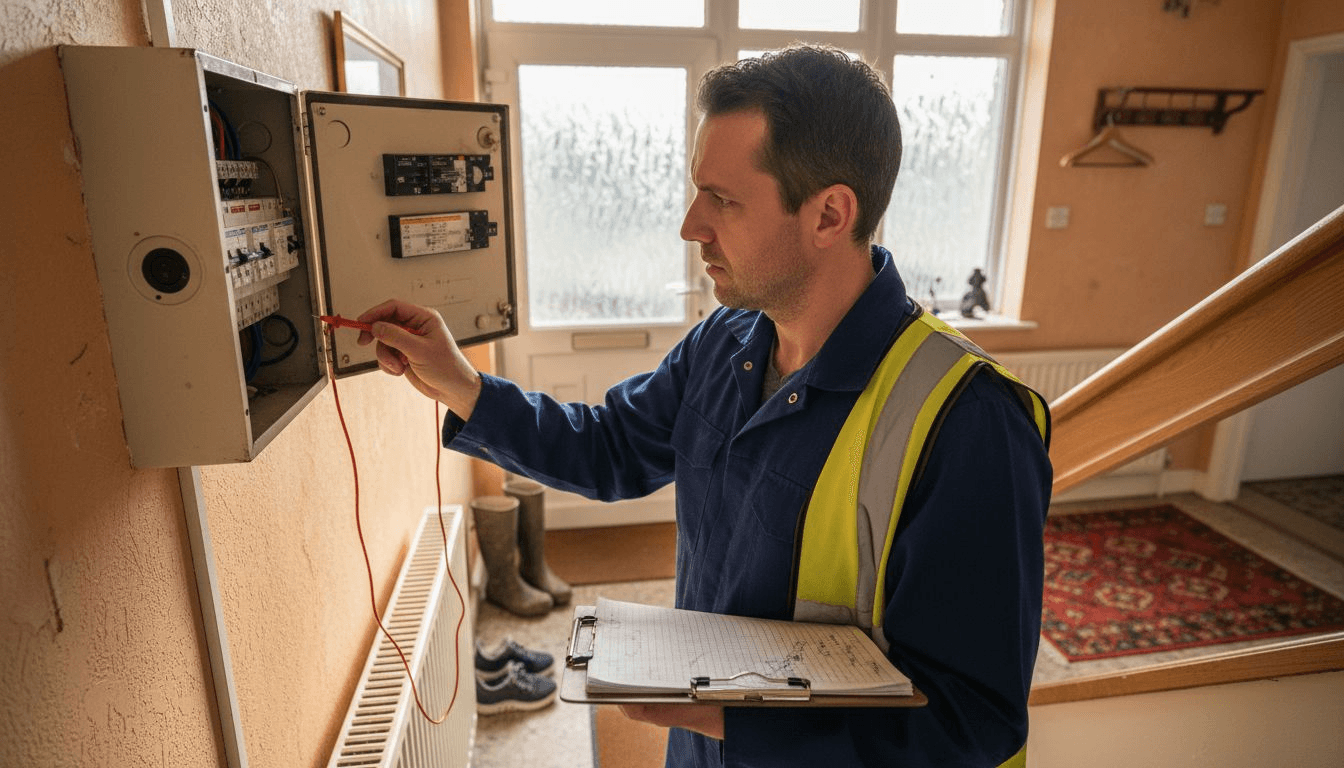
Every year, electrical fires cause about 20 deaths and 350 injuries in UK homes, highlighting why electrical safety through EICR compliance and timely upgrades matters more than ever for Hastings property owners. This guide walks you through choosing the right electrical upgrades, understanding legal requirements, managing costs and scheduling, and protecting your investment while keeping tenants safe. Whether you own one rental or multiple properties, you'll learn how to navigate 2026's compliance landscape confidently.
Table of Contents
- Selection Criteria For Home Electrical Upgrades And EICR Compliance
- Understanding EICR Compliance For Landlords And Homeowners
- Key Electrical Upgrades For Safety And Compliance
- Scheduling And Cost Considerations For Upgrades And Inspections
- Legal Consequences Of Non-Compliance
- Benefits Beyond Compliance: Increased Safety And Property Value
- Summary Comparison Of Electrical Upgrade Options For Homeowners And Landlords
- Situational Recommendations: Choosing The Right Electrical Upgrades For Your Property
- Expert Electrical Upgrade Services In Hastings With Frolly
- Frequently Asked Questions About Home Electrical Upgrades And EICR In Hastings
Key Takeaways
| Point | Details |
|---|---|
| EICR Legal Mandate | Inspections required every 5 years with reports delivered to tenants within 28 days. |
| Safety Impact | RCD installation reduces electrical shock risk by approximately 70%. |
| Non-Compliance Penalties | Delaying EICR renewals risks fines reaching £40,000 and invalidates property insurance. |
| 2026 Demand Surge | Early scheduling essential to avoid delays as landlords face inspection deadline rush. |
| Tailored Upgrade Options | Property age, wiring condition, and budget determine best electrical upgrade choices. |
Selection Criteria for Home Electrical Upgrades and EICR Compliance
Before you commit to any electrical work, understanding what drives your upgrade decisions saves money and ensures safety. Legal compliance with BS 7671 and the Electrical Safety Standards tops every landlord's and homeowner's priority list in 2026. These regulations set the baseline for safe electrical installations across England.
Safety risk reduction should guide your choices. Upgrades like residual current devices dramatically cut shock hazards, making them worth prioritizing. Your property's age and existing wiring condition influence which upgrades deliver the best value.
Key factors to evaluate include:
- Current electrical system age and condition
- Compliance gaps identified in recent EICR reports
- Budget available for immediate and phased upgrades
- Tenant or occupant availability for scheduled work
- Long-term safety benefits versus upfront investment
Pro Tip: Request a preliminary electrical assessment before committing to major upgrades. This helps you prioritize work that addresses genuine safety risks rather than cosmetic improvements.
Balancing immediate costs against future safety pays off. Properties with outdated wiring face higher insurance premiums and attract fewer quality tenants. Investing in domestic electrical upgrade services protects your property value while meeting legal standards. The Electrical Safety Standards Regulations provide detailed technical requirements to guide your decisions.
Understanding EICR Compliance for Landlords and Homeowners
Legal obligations around electrical safety have clear deadlines and serious consequences. Landlords must have installations inspected every 5 years regardless of whether tenancies change during that period. The inspection produces an Electrical Installation Condition Report documenting any safety issues.
You must share EICR results with tenants within 28 days of receiving the report. This transparency requirement protects tenants and demonstrates your commitment to safety. The inspection covers fixed electrical installations including wiring, consumer units, sockets, and lighting circuits. Portable appliances fall outside EICR scope for private landlords until May 2026.
Core compliance requirements include:
- Five-year maximum interval between inspections
- Report delivery to tenants within 28 days
- Coverage of all fixed electrical installations
- Remedial work completion within statutory timeframes
- Documentation retention for regulatory review
Non-compliance carries substantial penalties. Enforcement actions can result in fines and prosecution. Invalid insurance coverage leaves you financially exposed if electrical faults cause damage or injury. Both social housing providers and private landlords face identical obligations under English law, though social landlords have additional PAT testing requirements starting May 2026.
Scheduling your EICR inspection services in Hastings well before the five-year deadline prevents last-minute scrambles. The Electrical Safety Standards Regulations outline specific documentation requirements that qualified electricians follow during inspections.
Key Electrical Upgrades for Safety and Compliance
Certain electrical improvements deliver outsized safety benefits relative to their cost. Understanding which upgrades matter most helps you allocate your budget effectively. RCD installation reduces shock risk by approximately 70% and represents one of the most cost-effective safety enhancements available. These devices detect electrical faults within milliseconds and cut power before serious harm occurs.
Modern consumer units replace outdated fuse boxes with circuit breakers and integrated RCD protection. They improve fault detection and ensure compliance with current BS 7671 standards. Upgrading your consumer unit typically takes one to two days depending on property size.
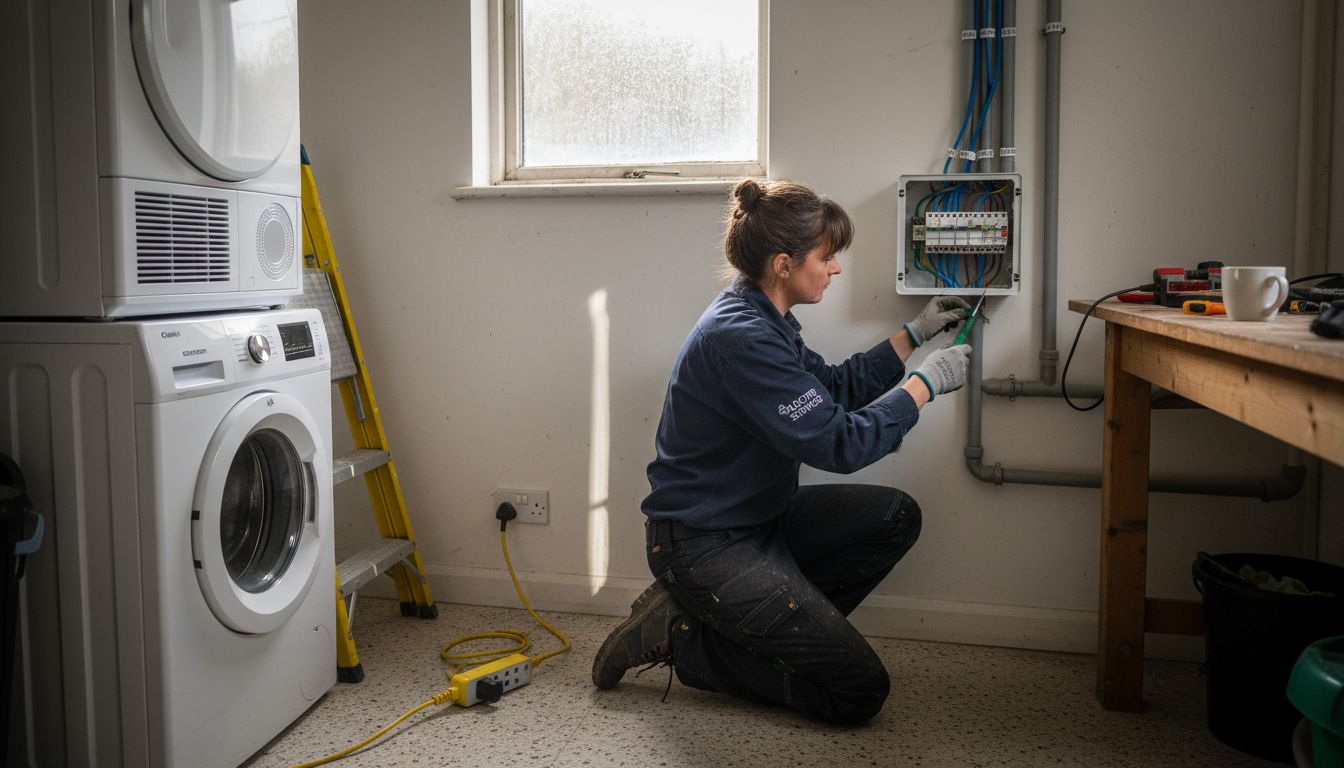
Rewiring becomes necessary when inspection reports flag extensive deterioration. Properties with wiring over 30 years old or multiple dangerous defects require complete rewiring. This comprehensive upgrade addresses hidden risks throughout your electrical system. While costly and disruptive, rewiring eliminates recurring safety issues and extends your property's usable life.
Essential upgrade options include:
- RCD installation for immediate shock protection
- Modern consumer unit replacement for enhanced safety
- Complete rewiring for properties with aged or damaged wiring
- Circuit additions to reduce overloading risks
- Earthing and bonding improvements for regulatory compliance
Pro Tip: Schedule rewiring during vacancy periods or planned renovations to minimize tenant disruption and coordinate with other property improvements.
Portable Appliance Testing remains voluntary for private landlords until May 2026. Focus your immediate budget on fixed installation upgrades that directly impact EICR compliance. Investing in expert electrical upgrades in Hastings ensures work meets certification standards. Review your property against this electrical safety checklist to identify priority areas. The EICR upgrade requirements provide technical specifications for each improvement type.
Scheduling and Cost Considerations for Upgrades and Inspections
Financial planning and timing strategy determine whether your electrical upgrades proceed smoothly or become stressful emergencies. EICR inspection costs range from £150 to £300 depending on property size and complexity, with remedial repairs billed separately. Understanding these cost structures helps you budget accurately.
The 2026 inspection cycle creates unprecedented demand as thousands of landlords face simultaneous deadlines. Scheduling inspections early avoids costly delays and potential penalties from missed compliance dates. Qualified electricians book up months in advance during peak periods.
Effective scheduling steps include:
- Review your last EICR report date and calculate your next inspection deadline.
- Contact certified electricians at least three months before your deadline.
- Coordinate inspection timing with tenant schedules to ensure property access.
- Budget additional funds for remedial work identified during inspection.
- Plan upgrade work during off-peak periods to secure better pricing and availability.
- Maintain detailed records of all inspection dates and remedial work completed.
Remedial work costs vary dramatically based on findings. Simple fixes like replacing damaged sockets cost under £100, while consumer unit upgrades run £400 to £800. Complete rewiring reaches £3,000 to £6,000 for typical residential properties. Early detection of issues through regular inspections prevents expensive emergency repairs.
Multiple property owners benefit from scheduling inspections in batches. This approach often secures volume discounts and ensures consistent compliance tracking across your portfolio. Visit our electrical upgrade scheduling tips for detailed planning guidance. Current EICR inspection costs reflect market demand, so early booking protects your budget.
Legal Consequences of Non-Compliance
Ignoring electrical safety obligations creates legal and financial exposure that far exceeds upgrade costs. Fines for non-compliance reach £40,000 per property when enforcement actions proceed. Local authorities have strengthened enforcement efforts following high-profile electrical safety incidents.
Insurance implications compound financial risks. Policies become invalid when you fail to maintain current EICR certification. This leaves you personally liable for damage, injury, or loss caused by electrical faults. Insurance companies routinely deny claims when compliance documentation is missing or expired.
Key legal risks include:
- Civil penalties up to £40,000 per property
- Criminal prosecution for serious safety breaches
- Insurance policy invalidation and claim denials
- Tenant legal action for unsafe living conditions
- Rental license revocation in selective licensing areas
Tenants can report safety concerns directly to local housing enforcement teams. These reports trigger inspections and potential enforcement proceedings. Proper documentation helps you demonstrate reasonable efforts to maintain safety standards, especially when tenants refuse access for scheduled inspections.
Remedial work deadlines vary by defect severity. Code 1 issues requiring immediate attention must be addressed within 28 days. Code 2 defects need resolution before the next inspection cycle. Failing to complete required repairs within statutory timeframes triggers additional penalties.
"Electrical safety compliance protects tenants' lives and landlords' livelihoods. The penalties for non-compliance reflect the serious risks that outdated or faulty electrical systems pose to occupants."
Our EICR compliance solutions help you navigate legal requirements and maintain proper documentation. Understanding EICR penalty risks motivates proactive compliance rather than reactive crisis management.
Benefits Beyond Compliance: Increased Safety and Property Value
Electrical upgrades deliver returns that extend well beyond avoiding penalties. Upgrades reduce electrical fire risks significantly, protecting occupants and preserving property value. Modern electrical systems enhance daily safety through improved fault detection and automatic power disconnection during dangerous conditions.
Certified electrical safety builds tenant confidence and loyalty. Tenants increasingly prioritize safety when choosing rentals. Properties with current EICR certification and modern electrical systems attract higher-quality tenants willing to pay premium rents. This competitive advantage grows as safety awareness increases among renters.
Market value improvements from electrical upgrades include:
- Higher sale prices due to reduced buyer concerns about deferred maintenance
- Increased rental income from safety-conscious tenants
- Lower insurance premiums reflecting reduced risk profiles
- Faster sales and lettings through improved property appeal
- Better mortgage terms from lenders valuing compliant properties
Modern housing standards now expect up-to-date electrical installations. Buyers factor upgrade costs into their offers when inspections reveal outdated systems. Completing upgrades before marketing your property eliminates this negotiation disadvantage. Your property competes more effectively against newer builds with contemporary electrical infrastructure.
Insurance benefits extend beyond claim acceptance. Some insurers offer premium reductions for properties with recent EICR certification and modern safety devices. These ongoing savings accumulate over years of ownership. Claim outcomes improve when you document regular maintenance and proactive safety improvements.
Explore benefits of electrical safety upgrades through our detailed case studies. Research on electrical safety benefits quantifies the financial and safety returns from proactive investment in electrical infrastructure.
Summary Comparison of Electrical Upgrade Options for Homeowners and Landlords
Comparing upgrade options side by side clarifies which investments deliver the best outcomes for your specific situation. Each upgrade type addresses different safety concerns, compliance requirements, and budget constraints. Understanding these trade-offs guides smarter decision-making.
| Upgrade Type | Safety Impact | Typical Cost | Best For | Compliance Role | Installation Time |
|---|---|---|---|---|---|
| RCD Installation | Reduces shock risk by ~70% | £200-£400 | All properties lacking RCD protection | Essential for BS 7671 compliance | Half day |
| Consumer Unit Replacement | Improves fault detection and circuit protection | £400-£800 | Properties with outdated fuse boxes | Required for EICR pass | 1-2 days |
| Complete Rewiring | Eliminates hidden wiring hazards | £3,000-£6,000 | Homes over 30 years old or with extensive Code 1/2 issues | Addresses fundamental safety defects | 1-2 weeks |
| Circuit Additions | Reduces overloading risks | £150-£400 per circuit | Properties with insufficient outlets or overloaded circuits | Prevents recurring EICR failures | Half day per circuit |
| Earthing/Bonding Upgrades | Prevents shock from metal fixtures | £200-£500 | Older properties with inadequate earthing | Mandatory for compliance | 1 day |
RCD installation and consumer unit replacement deliver immediate safety improvements at moderate cost. These upgrades suit most rental properties requiring quick compliance without major disruption. Rewiring represents a larger investment justified when inspection reports reveal systemic wiring problems.
Properties built before 1990 often need earthing and bonding improvements alongside other upgrades. Modern standards require proper earthing of metal pipes, radiators, and structural elements. This work prevents dangerous voltage appearing on touchable metal surfaces during electrical faults.
Circuit additions solve overloading issues common in older properties. Adding dedicated circuits for kitchens, home offices, or heating systems prevents nuisance tripping and reduces fire risk. This targeted approach costs less than complete rewiring while addressing specific safety gaps.
Contact our domestic electrician services to discuss which upgrades suit your property best. Our EICR reports and upgrade advice provide personalized recommendations based on your inspection findings and property characteristics.
Situational Recommendations: Choosing the Right Electrical Upgrades for Your Property
Your property's specific circumstances determine which upgrades offer the best value and safety improvements. Tailoring your electrical investment to your situation maximizes returns while ensuring compliance. Different property types and ownership scenarios call for distinct upgrade strategies.
Properties over 30 years old typically need comprehensive attention. Prioritize rewiring and consumer unit replacement to address fundamental safety concerns. Older wiring insulation degrades over time, creating shock and fire risks that minor repairs cannot fix. Complete system replacement provides decades of safe operation.
Landlords managing multiple properties benefit from systematic compliance planning. Focus on scheduling all EICR inspections early in 2026 to avoid the year-end rush. Budget for remedial work across your portfolio based on historical findings. Proactive maintenance costs less than emergency repairs during vacancy periods.
Targeted recommendations include:
- Homes over 30 years old: Budget for complete rewiring and modern consumer units to address age-related deterioration.
- Multi-property landlords: Implement batch inspection scheduling and maintain dedicated compliance budgets for each property.
- Social landlords: Prepare for mandatory PAT testing requirements starting May 2026 alongside fixed installation compliance.
- Budget-conscious owners: Install essential RCDs and upgrade consumer units first, then plan phased rewiring if needed.
- Recently purchased properties: Request EICR inspections during conveyancing to negotiate upgrade costs with sellers.
Social housing providers face additional obligations. Starting May 2026, portable appliance testing becomes mandatory for social landlords. Begin planning PAT testing programs now to avoid compliance gaps. Private landlords can defer PAT decisions until regulations change.
Pro Tip: Properties in selective licensing areas often face additional inspection requirements. Check with Hastings Council about local electrical safety standards that may exceed national minimums.
Budget-conscious strategies work when you prioritize correctly. Essential safety devices like RCDs provide maximum risk reduction per pound spent. Defer cosmetic electrical improvements until after core safety upgrades are complete. Phased approaches spread costs over multiple years while maintaining continuous compliance.
Connect with our trusted electricians in Hastings for property-specific guidance. Comprehensive property refurbishment services Hastings can coordinate electrical upgrades with other renovation work for efficiency and cost savings.
Expert Electrical Upgrade Services in Hastings with Frolly
Navigating electrical compliance and safety upgrades requires expertise you can trust. Frolly's certified electricians specialize in domestic electrical work and EICR inspections throughout Hastings. We understand local property characteristics and the specific challenges landlords and homeowners face meeting 2026 compliance deadlines.
Early planning with experienced professionals secures your inspection slots and prevents costly last-minute scrambles. Our team conducts thorough EICR inspections, identifies priority upgrade work, and completes all remedial repairs to certification standards.

We provide transparent quotes covering inspection and upgrade costs upfront. No hidden fees or surprise charges complicate your budgeting. Our systematic approach ensures every property meets legal requirements while maximizing safety improvements within your budget. Proper documentation protects your investment and demonstrates compliance to regulators, insurers, and tenants.
Whether you need routine EICR inspections, targeted safety upgrades, or complete rewiring, our domestic electrician services in Hastings deliver reliable solutions. Schedule your EICR inspection and certification services today to secure your preferred dates. Review our electrical safety consultation resources for additional guidance on maintaining compliant, safe properties.
Frequently Asked Questions about Home Electrical Upgrades and EICR in Hastings
How often must I schedule an EICR inspection for my rental property?
Law requires EICR inspections every five years maximum for rental properties in England. You must arrange the next inspection before the current report's five-year expiry date. Maintaining this schedule ensures continuous compliance and protects tenants from electrical hazards.
What are the most cost-effective electrical upgrades to meet compliance?
RCD installation and consumer unit replacement deliver the best safety improvements per pound spent. These upgrades address the most common EICR failures at moderate cost. They provide immediate protection against shocks and fires while ensuring your property meets current BS 7671 standards.
Can I do electrical upgrades myself or must I hire a qualified electrician?
Only qualified, registered electricians should perform electrical upgrades and EICR inspections. DIY electrical work is illegal for rental properties and voids insurance coverage. Certified electricians provide necessary documentation proving work meets legal standards and building regulations.
What happens if I miss the EICR inspection deadline?
Missing your EICR deadline exposes you to fines reaching £40,000 per property and invalidates your insurance coverage. Tenants can report non-compliance to local authorities, triggering enforcement action. Schedule inspections well before deadlines to avoid these serious consequences.
Does Portable Appliance Testing apply to my private rental property now?
PAT testing remains voluntary for private landlords until May 2026. Focus your current efforts on fixed installation compliance through EICR inspections and necessary upgrades. Social landlords face mandatory PAT requirements starting May 2026. Learn more about EICR basics article for complete compliance guidance.